can breathing reduce anxiety
Can Breathing Reduce Anxiety?
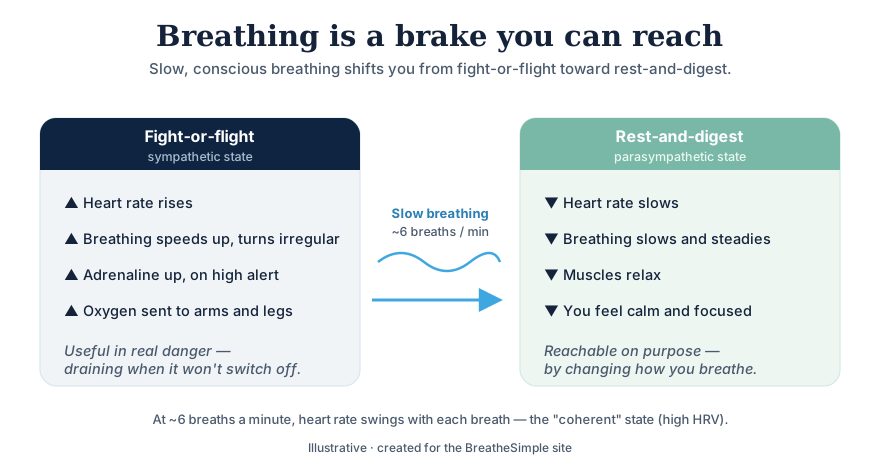
Slow, conscious breathing lets you call on your parasympathetic nervous system to put the brakes on anxiety. Here's the science — and a simple way to practice.
Insights
Plain-language takes on the latest sleep and breathing research — and what it means for how you screen, train, and protect your health.
can breathing reduce anxiety
Slow, conscious breathing lets you call on your parasympathetic nervous system to put the brakes on anxiety. Here's the science — and a simple way to practice.
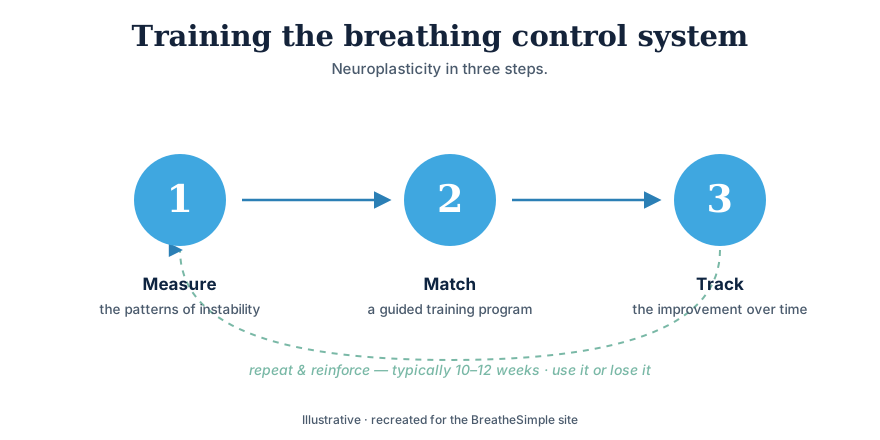
what is neuroplasticity
Your brain rewires itself in response to how you use it. Here's what neuroplasticity means — and how it lets you retrain the control system behind steadier breathing.
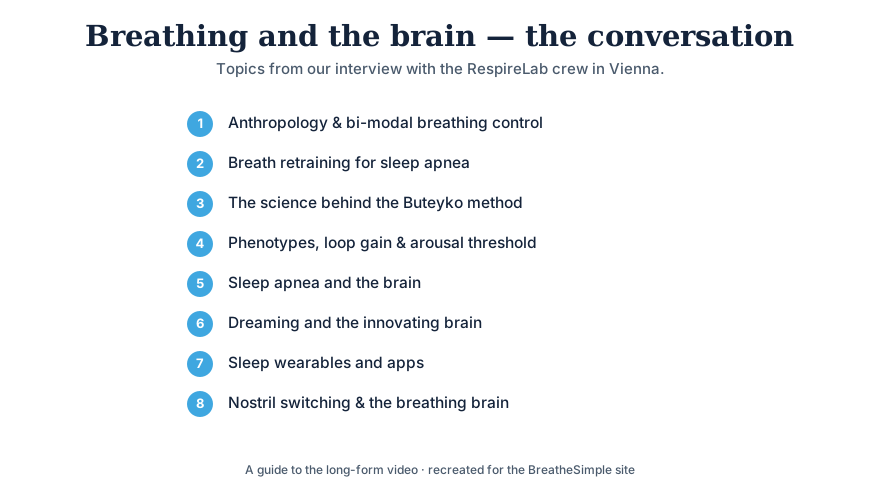
breathing and the brain
Notes from our wide-ranging conversation with the RespireLab team in Vienna on how the brain governs breathing — across sleep apnea, dreaming, and wearables.
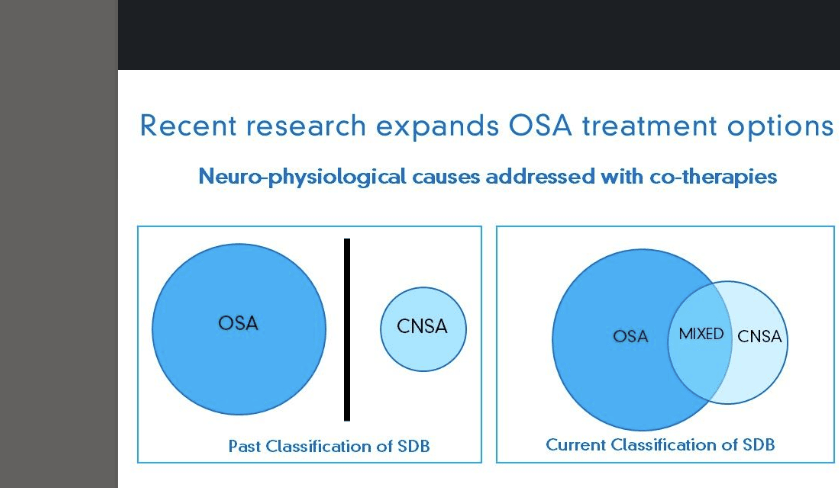
sleep apnea breathing control
For decades, apnea care focused on keeping the airway open. A second cause — unstable breathing control in the brain — may matter in around 40% of cases.
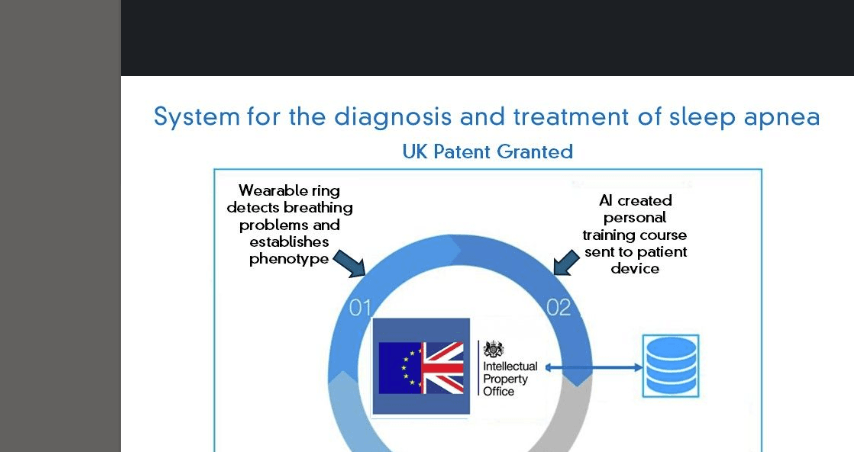
personalized sleep apnea therapy
One recently awarded patent covers a closed-loop system that identifies apnea phenotypes and builds personalized training regimens using neuroplastic protocols.
CPAP compliance
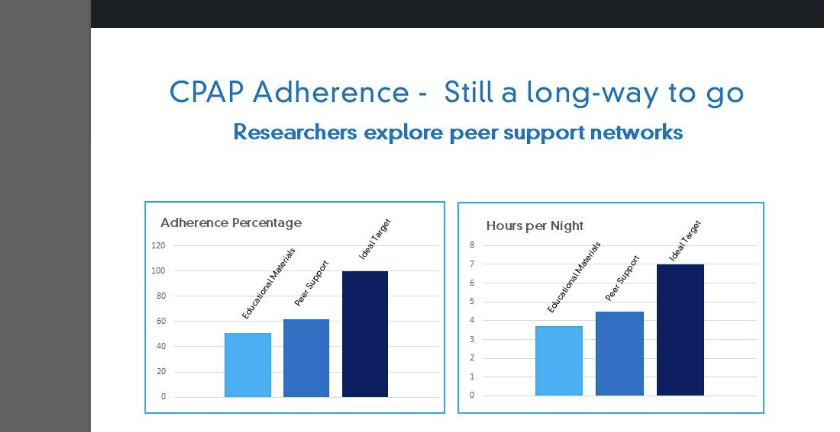
Many sleep apnea patients struggle to stick with CPAP. We look at a peer-support trial that nudged compliance upward, and why less-invasive alternatives matter.
AI sleep disease prediction
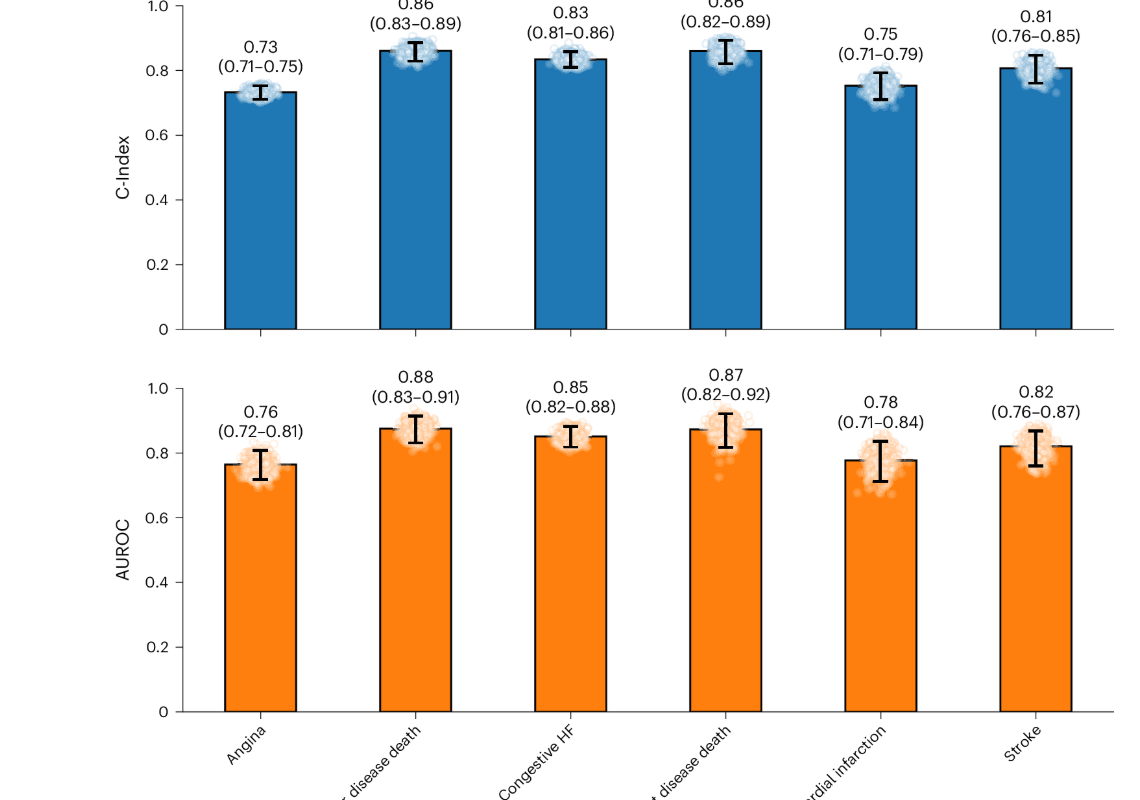
A new Stanford University model reads overnight sleep recordings to forecast the onset of over 130 conditions—and points toward a future where wearables screen for risk.
loop gain sleep apnea phenotype
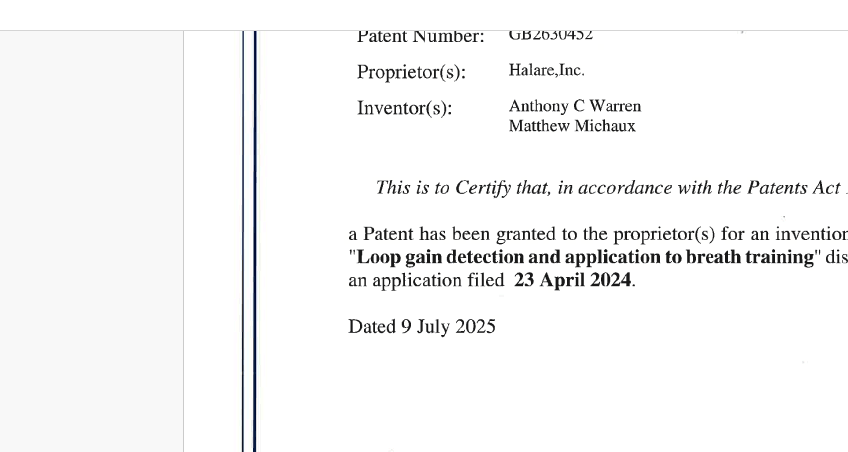
Sleep apnea has more than one cause. A newly awarded patent covers low-cost ways to measure loop gain, a key phenotype, using existing wearables and devices.
sleep apnea night to night variability
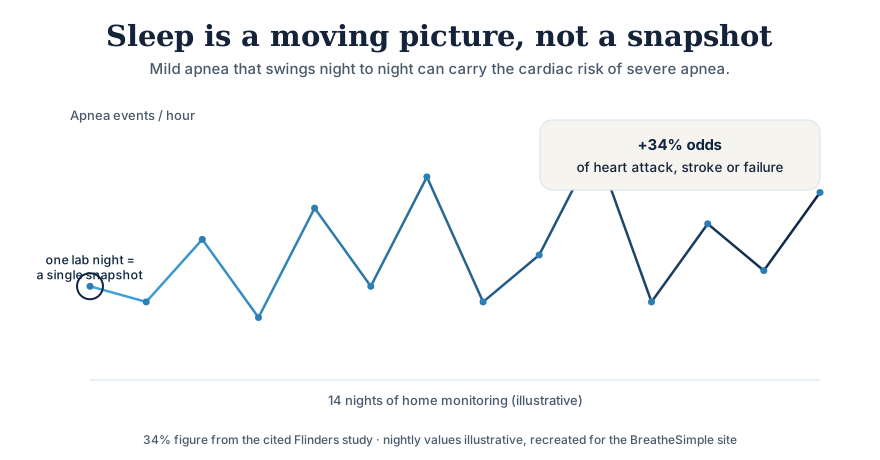
A single night in a sleep lab can't see how much your apnea changes from night to night — yet that variability may predict heart attack and stroke risk.
oversleeping and dementia risk
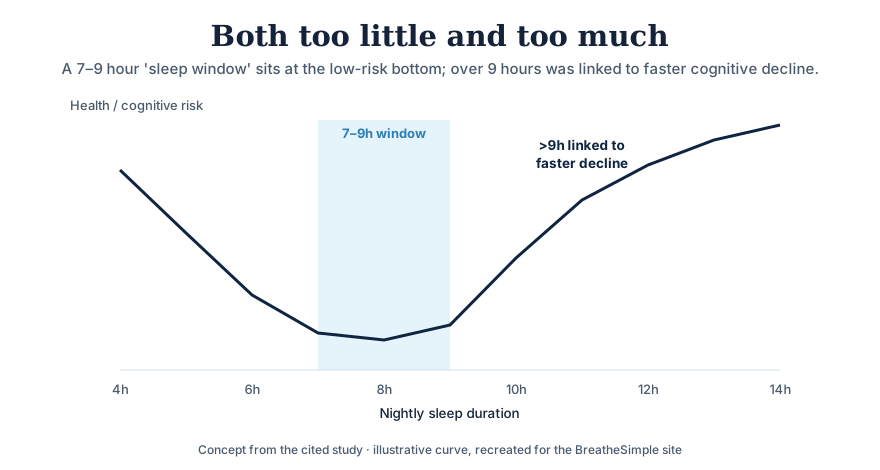
A new study links habitual long sleep to faster cognitive decline. We explore why oversleeping may be an early, possibly reversible marker of dementia risk.
sleep deprivation attention lapses
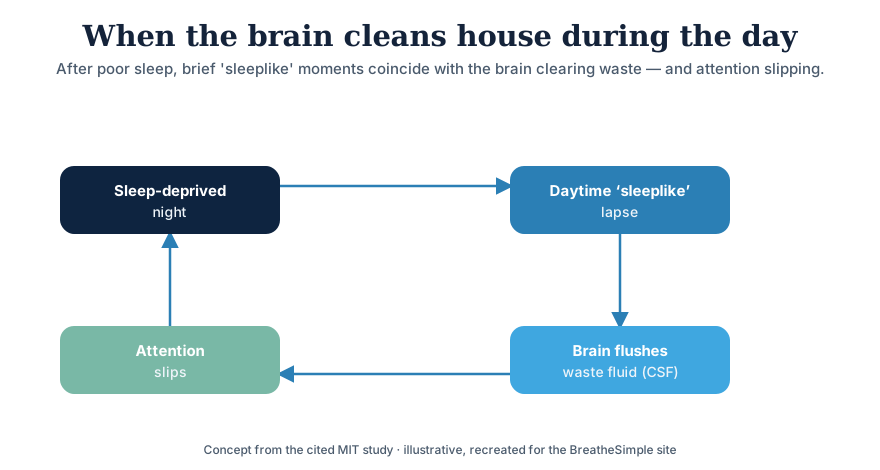
New MIT research suggests the attention lapses that follow a sleepless night are the brain trying to clean itself — flushing out waste it usually clears overnight.
sleep apnea and Parkinson's
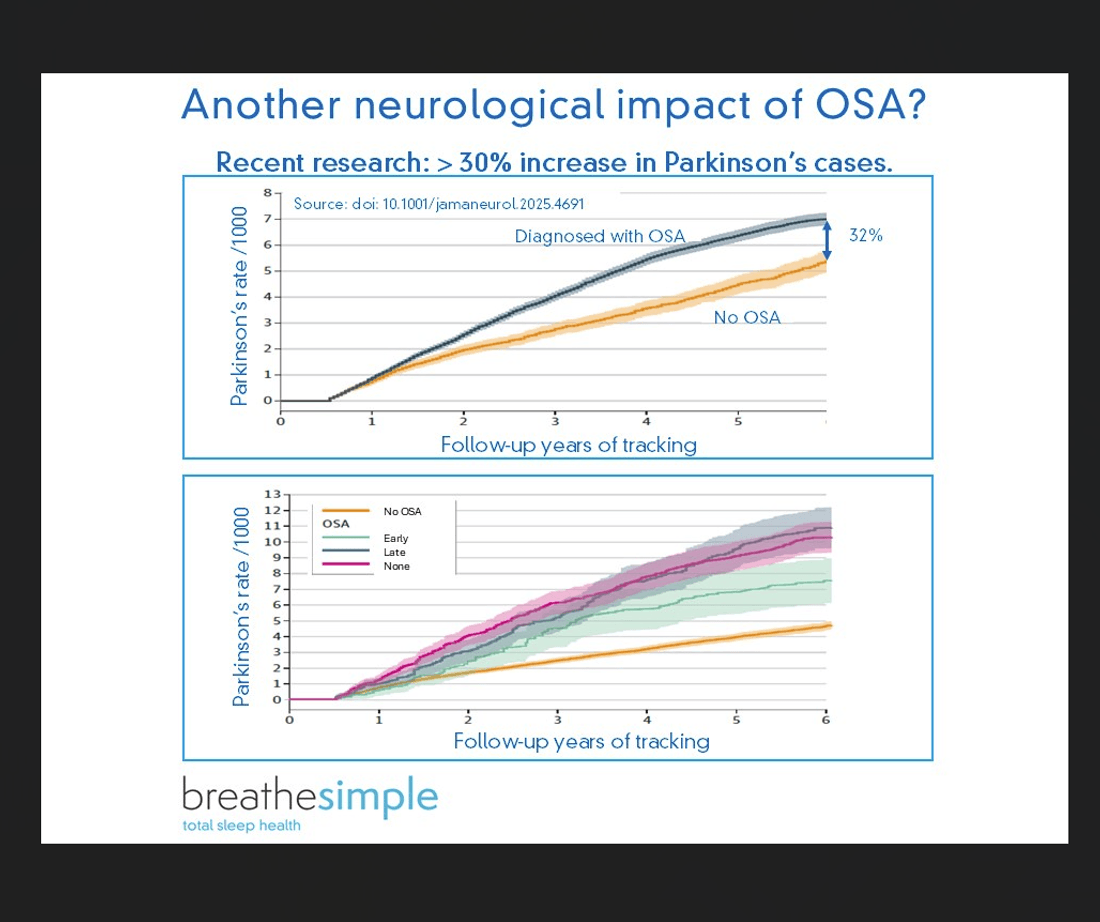
A massive veterans' study links untreated sleep apnea to a meaningfully higher risk of Parkinson's—and finds that earlier treatment offers real protection.
REM sleep behavior disorder Parkinson's
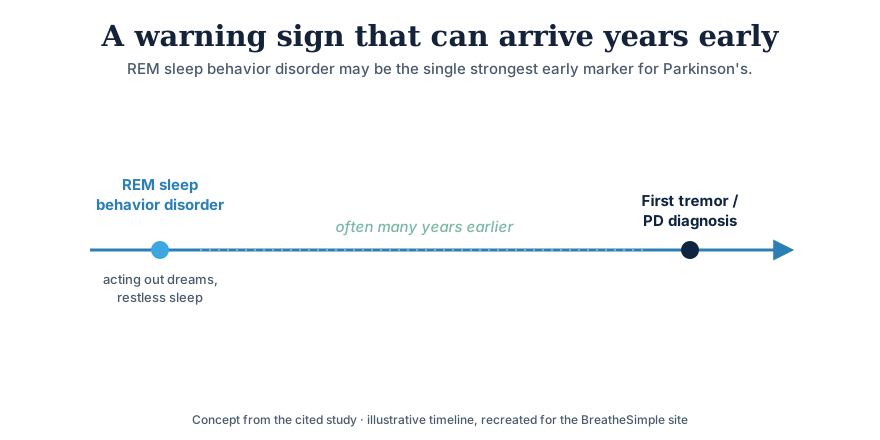
Acting out your dreams may be one of the earliest warning signs of Parkinson's — appearing years before tremors. Sleep is becoming a powerful diagnostic signal.
heart rate variability during sleep
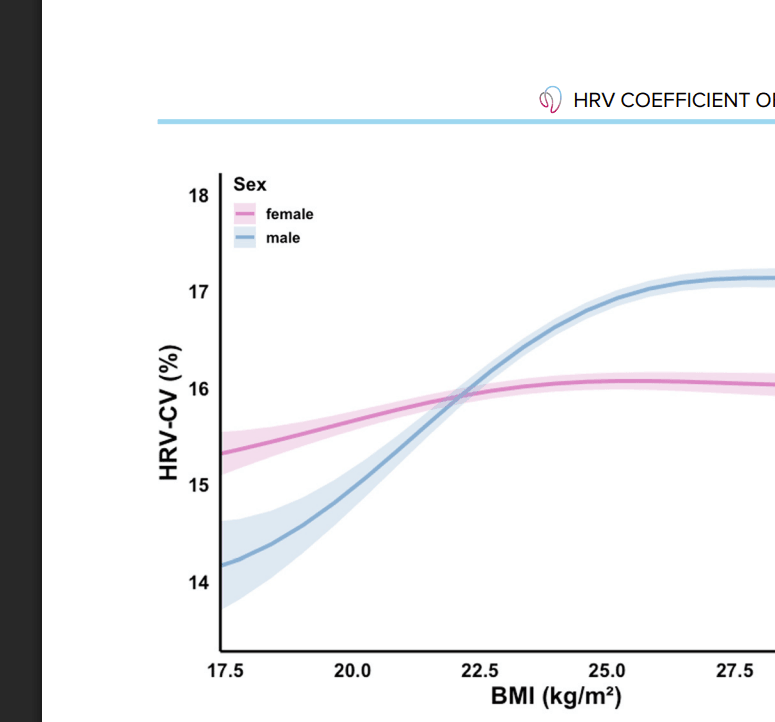
A WHOOP study of two million nights argues that the night-to-night swing in your HRV — not just the average — may be the more revealing health signal.
sleep regularity and mortality
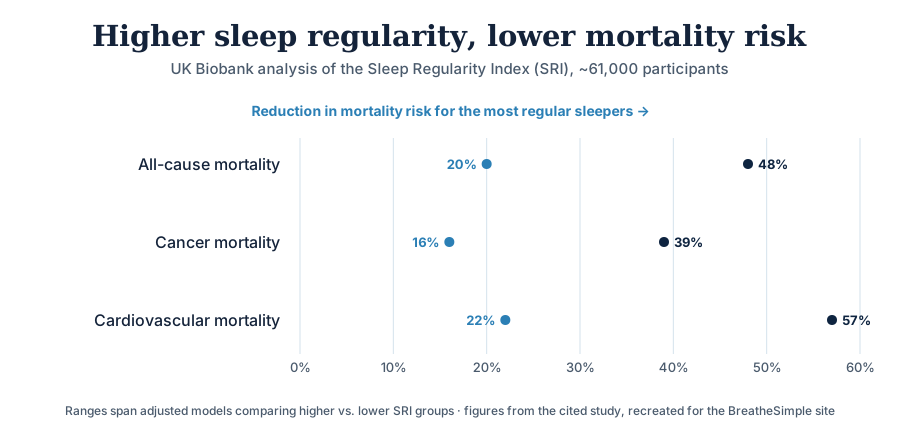
A large UK Biobank study found that consistency of sleep timing predicts mortality risk better than how long you sleep. Why regularity may be the better target.
asthma and sleep apnea
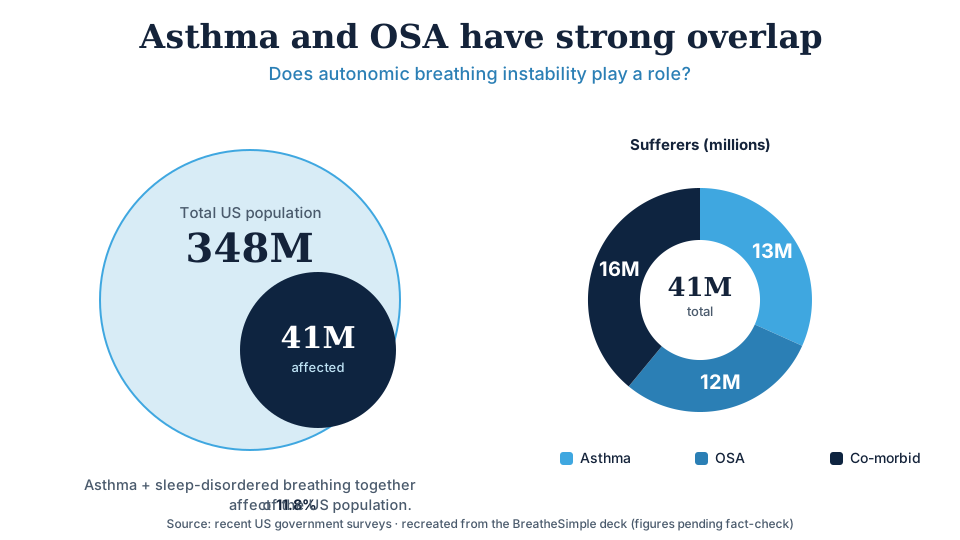
Asthma and obstructive sleep apnea frequently travel together, each making the other worse. A shared driver — unstable breathing control — may explain why.
sleep and running injuries
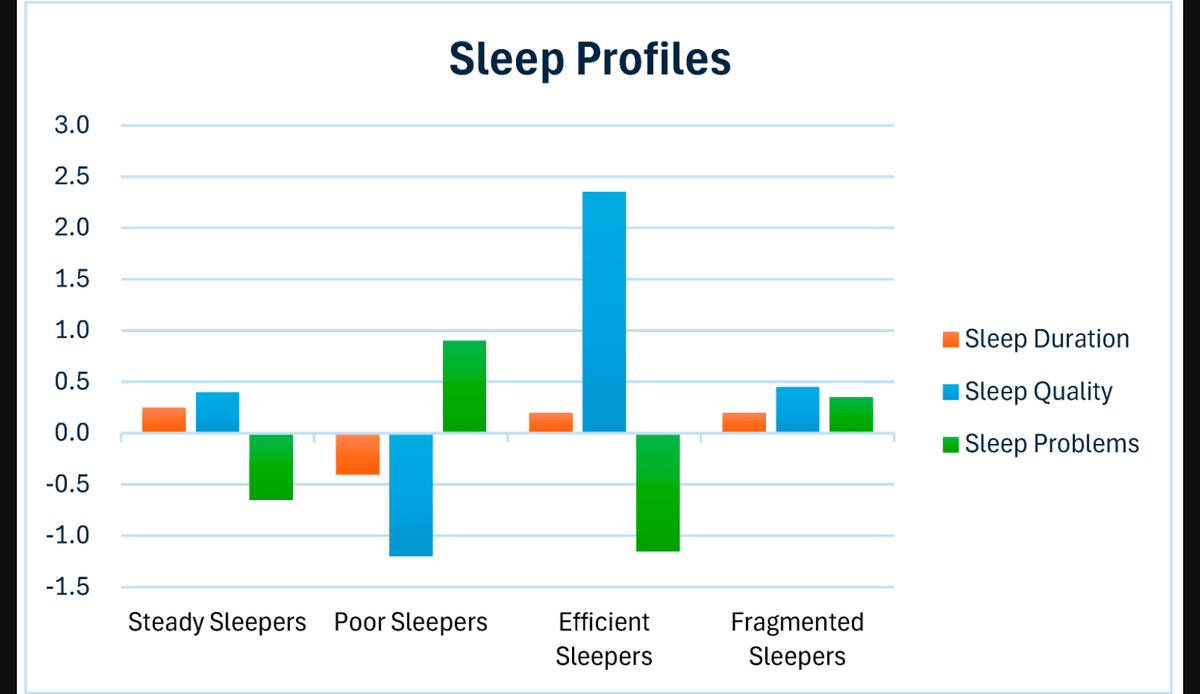
A study of 425 recreational runners found that one specific 'poor sleep' profile carried an 80% chance of injury—a signal your wearable could already detect.
light at night heart disease
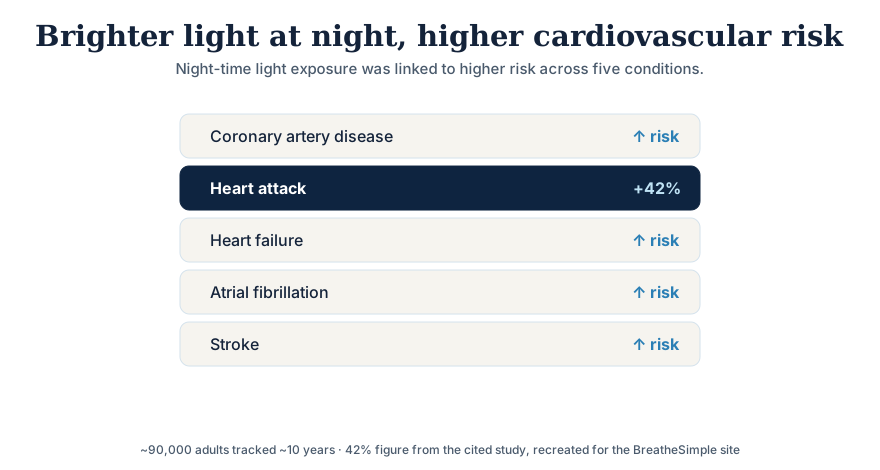
A study of nearly 90,000 adults found that brighter light at night was linked to higher cardiovascular risk—including a 42% higher chance of heart attack.
irregular bedtime heart risk
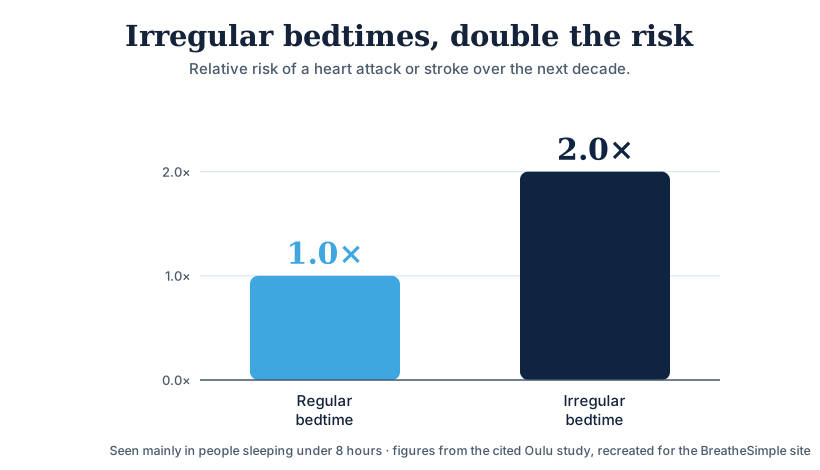
A large Finnish study suggests that when you go to bed may matter as much as what you eat — irregular bedtimes were tied to nearly double the cardiovascular risk.
how the brain controls breathing
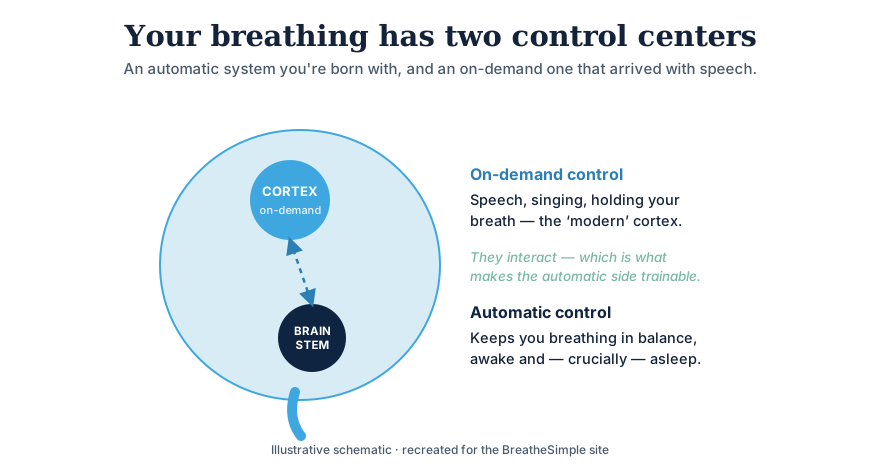
Your breathing runs on two control systems — one automatic, one voluntary. Understanding how they interact may be the key to training more stable sleep breathing.
sleep and heart health
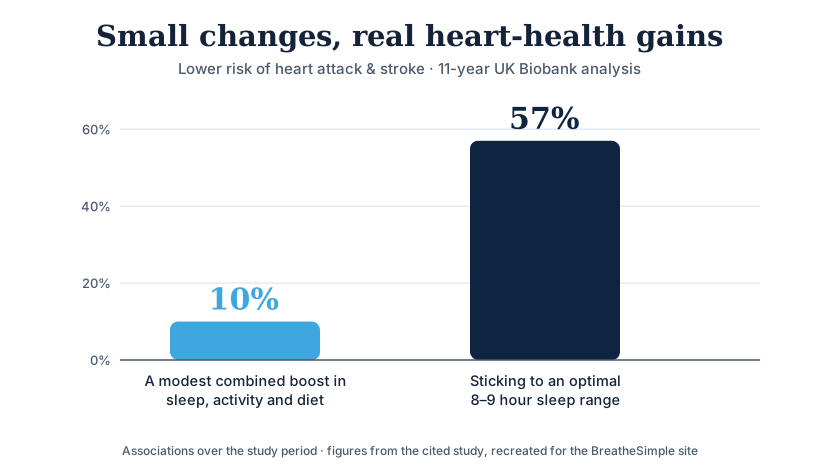
Eleven extra minutes of sleep, a few more minutes of walking, slightly better food: a large study ties modest lifestyle gains to meaningfully lower cardiovascular risk.
sleep aids and sleep apnea
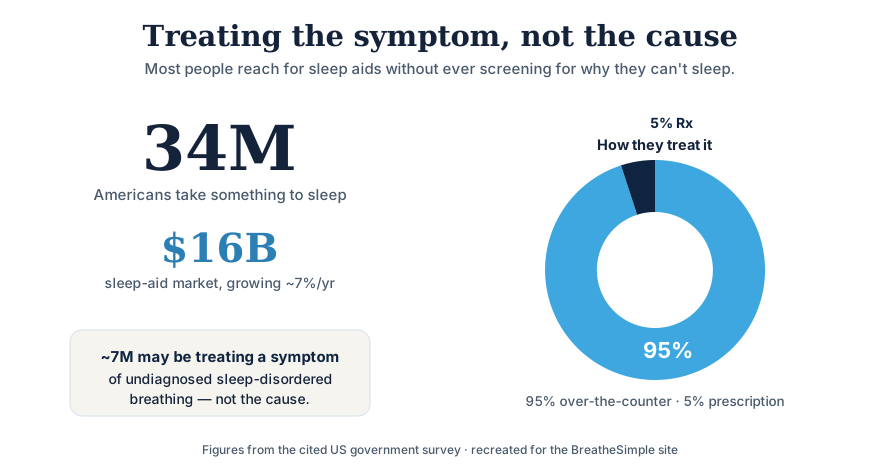
Tens of millions reach for melatonin, Benadryl, or Ambien to sleep — but if the real cause is disordered breathing, none of those substances can help.
treatment adherence wearables
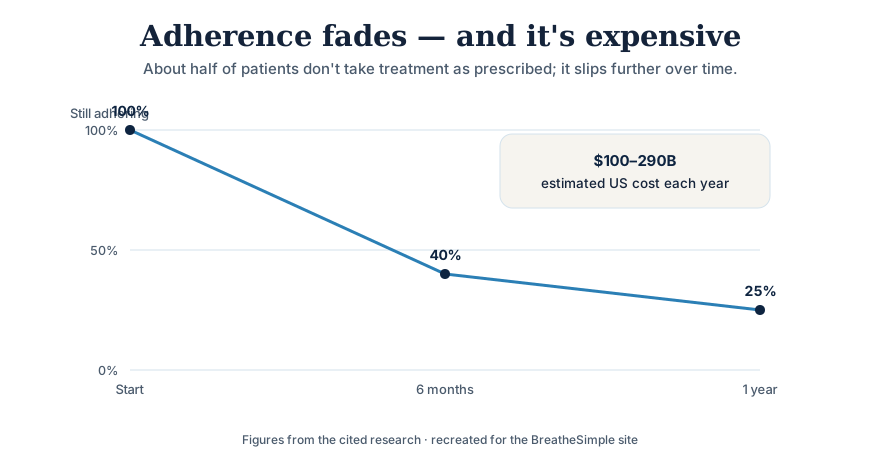
About half of patients don't take treatment as prescribed. We look at why adherence is so hard, and how wearables can match therapy to real behavior.